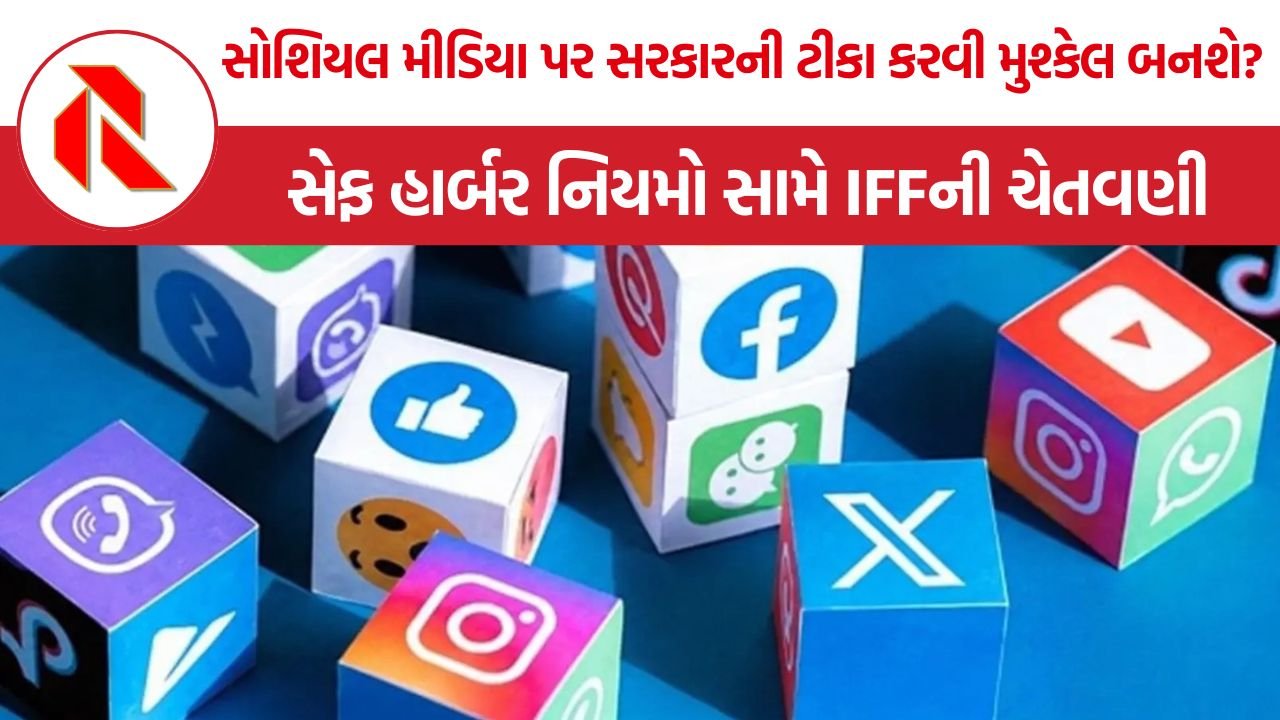
Social Media Safe Harbour: ભારતમાં Facebook, Instagram, YouTube અને X જેવી સોશિયલ મીડિયા કંપનીઓની મુશ્કેલીઓ વધી શકે છે. કેન્દ્ર સરકાર આ પ્લેટફોર્મને મળતા કાનૂની રક્ષણ એટલે કે ‘સેફ હાર્બર’ની જોગવાઈમાં ફેરફાર કરવા અથવા તેને મર્યાદિત કરવા અંગે વિચાર કરી રહી છે. આ માટે IT Actની કલમ 79ની સમીક્ષા કરવામાં આવી રહી છે. જો સરકાર આ રક્ષણ સમાપ્ત કરે અથવા તેની મર્યાદા ઘટાડે તો સોશિયલ મીડિયા કંપનીઓને તેમના પ્લેટફોર્મ પર વપરાશકર્તાઓ દ્વારા પોસ્ટ કરવામાં આવતી સામગ્રી માટે વધુ જવાબદારી ઉઠાવવી પડી શકે છે.
આ મુદ્દે ઇન્ટરનેટ ફ્રીડમ ફાઉન્ડેશન (IFF)એ ચિંતા વ્યક્ત કરી છે. સંગઠનનું કહેવું છે કે આ ફેરફારનો સૌથી મોટો પ્રભાવ માત્ર મોટી ટેક કંપનીઓ પર નહીં, પરંતુ સોશિયલ મીડિયાનો ઉપયોગ કરીને પોતાના વિચારો વ્યક્ત કરતા સામાન્ય નાગરિકો પર પડી શકે છે.
સેફ હાર્બર શું છે અને કંપનીઓને કેવી રીતે રક્ષણ આપે છે?
IT Actની કલમ 79 હેઠળ ઇન્ટરનેટ ઇન્ટરમિડિયરી એટલે કે વપરાશકર્તાઓની સામગ્રી એકબીજા સુધી પહોંચાડતા પ્લેટફોર્મને કેટલીક શરતો હેઠળ કાનૂની રક્ષણ આપવામાં આવે છે. આ વ્યવસ્થાને ‘સેફ હાર્બર’ કહેવામાં આવે છે.
સરળ ભાષામાં સમજીએ તો કોઈ વ્યક્તિ Facebook પર વીડિયો, પોસ્ટ કે ટિપ્પણી કરે તો તે સામગ્રી માટે પ્લેટફોર્મને આપમેળે જવાબદાર ઠેરવી શકાય નહીં. જો કંપની કાયદામાં નક્કી કરેલી શરતો અને જરૂરી સાવચેતીઓનું પાલન કરતી હોય તો તેને વપરાશકર્તાની દરેક પોસ્ટ માટે સીધી કાનૂની જવાબદારીમાંથી રાહત મળી શકે છે.
આ જોગવાઈને કારણે Facebook, YouTube, Instagram અને X જેવી કંપનીઓ મોટા પાયે વપરાશકર્તાઓની સામગ્રી હોવા છતાં પોતાનો વ્યવસાય ચલાવી શકે છે. હવે સરકાર આ કાનૂની વ્યવસ્થાની સમીક્ષા કરી રહી છે.
Statement: Proposed withdrawal of safe harbour under Section 79
5 November 2026
The Internet Freedom Foundation is alarmed by the Indian Express that the Ministry of Electronics and IT has begun discussions on stripping social media platforms of safe harbour under Section 79 of the IT Act, 2000. Nobody should mistake this for a move against Big Tech for it is a move against the people who use these platforms.
Safe harbour is not a gift to Meta, Google or X. It is the legal foundation that lets ordinary Indians speak online without a platform’s lawyers deciding in advance whether their post is worth the risk and taking it down. If it is taken away, and every platform becomes liable for every post, comment and video. The rational response for any company is to remove anything that might draw a complaint, a notice or a summons. Criticism of the government, reporting on protests, satire, and the speech of people without lawyers will be the first casualties which are already being censored by automated filters implemented pursuant to the IT Rules, 2021. The Supreme Court recognised exactly this in Shreya Singhal (2015), which is why it read down Section 79(3)(b) to require a court order or a lawful government direction before platforms must act.
The timing tells its own story as the report says that MEITY’s rethink was shaped by a view within government that platform algorithms have favoured Opposition and anti-establishment narratives over official messaging, and by the role of Instagram during the student protests in July. In other words, the complaint is not that platforms host too much illegal content but it is that they host too much content the government dislikes.
This is also the latest step in an escalation that has been building for years. The 2023 Fact Check Unit amendment tried to make the government the arbiter of truth about itself, until the Bombay High Court struck it down. The Sahyog portal has turned Section 79(3)(b) into a parallel, opaque takedown channel that sidesteps the safeguards of Section 69A, a practice X is now challenging in court. In August, a Parliamentary Standing Committee gave Mark Zuckerberg three days to apologise personally for the brief removal of the Prime Minister’s video or face the loss of safe harbour.
Subsequently advisories were issued on October 8, 2026 and October 10, 2026 pressuring digital platforms to implement pro-active censorship through, “enhanced due diligence”. Safe harbour was never meant to be a bargaining chip that MEITY waves at a company to extract compliance.
There are real problems on these platforms such as child sexual abuse material, non-consensual intimate imagery and deepfakes. The Supreme Court’s observations in Just Rights for Children Alliance on October 15 deserve a serious answer. But the answer is targeted, rights-respecting obligations with independent oversight, transparency about takedowns, and a grievance process that works for users. It is not a liability regime that pushes platforms to delete first and never ask. Nor is it a rule that platforms must clear product changes with the government before shipping them, which would hand the state a license raj over the design of the services Indians use every day.
Any change of this scale must go through Parliament, with a published draft, a genuine consultation and a full debate. It cannot be settled in closed-door meetings between the Ministry and a handful of companies.What IFF will do
IFF will send a detailed representation to the Ministry of Electronics and IT setting out why the proposed changes to Section 79 are unconstitutional and unworkable, and what a rights-respecting approach to platform accountability should look like. We will also write to the Parliamentary Standing Committee on Communications and Information Technology.
We are filing RTI applications with MeitY seeking the minutes, agendas, attendance lists and file notings of every meeting held on the review of safe harbour, including the meetings with Meta and other platforms in July and August, and the basis for the Ministry’s assessment of how platform algorithms treat government and Opposition content. The public has a right to know who is in the room when the rules of their speech are being rewritten.
We will publish what we receive, and we invite other civil society groups, journalists and platform users to join us in asking the Ministry to put any proposal to open consultation before it goes anywhere near Parliament.
— Internet Freedom Foundation (IFF) (@internetfreedom) November 5, 2026
સરકારને સોશિયલ મીડિયા કંપનીઓ સામે શું વાંધો છે?
સરકારની અંદર એવો વિચાર ચાલી રહ્યો છે કે સોશિયલ મીડિયા પ્લેટફોર્મને હવે માત્ર માહિતી પહોંચાડતા નિષ્ક્રિય માધ્યમ તરીકે ગણવા યોગ્ય નથી. કારણ કે આ કંપનીઓ પોતાના અલ્ગોરિધમ દ્વારા નક્કી કરે છે કે કઈ પોસ્ટ કેટલા લોકો સુધી પહોંચશે.
સોશિયલ મીડિયા કંપનીઓ નક્કી કરે છે કે કયો વીડિયો વપરાશકર્તાની સ્ક્રીન પર વારંવાર દેખાશે, કઈ પોસ્ટને વધુ પ્રાથમિકતા મળશે અને કઈ સામગ્રીની પહોંચ મર્યાદિત કરવામાં આવશે. આ ઉપરાંત પ્લેટફોર્મના નિયમો હેઠળ કેટલીક સામગ્રી દૂર પણ કરવામાં આવે છે.
સરકારના મતે, જ્યારે કંપનીઓ પોતાની ટેક્નોલોજી અને અલ્ગોરિધમ દ્વારા સામગ્રીની પહોંચને પ્રભાવિત કરે છે ત્યારે તેમની જવાબદારી અંગે પણ ફરી વિચારવાની જરૂર છે. અધિકારીઓમાં એવી ચર્ચા છે કે શું સોશિયલ મીડિયા કંપનીઓને ઇન્ટરનેટ સેવા પ્રદાતાઓ અને ટેલિકોમ કંપનીઓની જેમ જ કાનૂની રક્ષણ મળવું જોઈએ.
IFFની ચેતવણી: સામાન્ય લોકોની અભિવ્યક્તિ પર અસર થશે
ઇન્ટરનેટ ફ્રીડમ ફાઉન્ડેશન (IFF)એ સેફ હાર્બર રક્ષણમાં સંભવિત ફેરફાર સામે ગંભીર ચિંતા વ્યક્ત કરી છે. સંગઠનના મતે આ જોગવાઈ માત્ર Meta, Google અને X જેવી કંપનીઓને બચાવતી નથી, પરંતુ સામાન્ય નાગરિકોને પણ ઑનલાઇન પોતાના વિચારો વ્યક્ત કરવાની તક આપે છે.
IFFએ ચેતવણી આપી છે કે જો દરેક પોસ્ટ, વીડિયો અને ટિપ્પણી માટે સોશિયલ મીડિયા કંપનીઓને કાનૂની રીતે જવાબદાર ઠેરવવામાં આવશે તો કંપનીઓ કાનૂની કાર્યવાહીથી બચવા માટે મોટા પાયે સામગ્રી દૂર કરી શકે છે.
આવી સ્થિતિમાં સરકારની ટીકા, વિરોધ પ્રદર્શનના સમાચાર, વ્યંગ્ય અને જાહેર મુદ્દાઓ પર કરવામાં આવતી ટિપ્પણીઓ પર અસર થઈ શકે છે. ખાસ કરીને એવા લોકોની અભિવ્યક્તિ મર્યાદિત થઈ શકે છે, જેમની પાસે કાનૂની સહાય મેળવવાનાં સાધનો નથી.
IFFના જણાવ્યા પ્રમાણે કંપનીઓ ફરિયાદ કે કાનૂની નોટિસ મળવાની આશંકાથી પણ કોઈ પોસ્ટ દૂર કરી શકે છે. પરિણામે સોશિયલ મીડિયા પર પહેલાં સામગ્રી દૂર કરવાની અને પછી તેની યોગ્યતા તપાસવાની સ્થિતિ ઊભી થઈ શકે છે.
સુપ્રીમ કોર્ટના 2015ના ચુકાદાનો ઉલ્લેખ
IFFએ પોતાના વાંધામાં સુપ્રીમ કોર્ટના 2015ના ‘શ્રેયા સિંઘલ વિરુદ્ધ ભારત સરકાર’ કેસના ચુકાદાનો ઉલ્લેખ કર્યો છે.
આ ચુકાદામાં સુપ્રીમ કોર્ટે IT Actની કલમ 79(3)(b)નું અર્થઘટન કરતાં સ્પષ્ટ કર્યું હતું કે સામગ્રી દૂર કરવા માટે કોર્ટના આદેશ અથવા કાયદા હેઠળ જારી કરાયેલા માન્ય સરકારી નિર્દેશનો આધાર જરૂરી છે.
IFFના મતે આ કાનૂની સુરક્ષા એટલા માટે મહત્ત્વપૂર્ણ છે કે કોઈ ફરિયાદના આધારે કંપનીઓ મનસ્વી રીતે વપરાશકર્તાઓની સામગ્રી દૂર ન કરી શકે. સંગઠને એમ પણ કહ્યું છે કે IT Rules, 2021 હેઠળના સ્વચાલિત ફિલ્ટરથી કેટલીક સામગ્રીની પહોંચ પહેલેથી જ મર્યાદિત થઈ રહી છે. આવી સ્થિતિમાં સેફ હાર્બર નબળું કરવાથી ઑનલાઇન અભિવ્યક્તિ પર વધુ દબાણ આવી શકે છે.
Instagram પર વિદ્યાર્થીઓના વિરોધ પ્રદર્શનની સામગ્રીથી વિવાદ
સોશિયલ મીડિયા કંપનીઓ અને કેન્દ્ર સરકાર વચ્ચેનો તણાવ છેલ્લા કેટલાક મહિનામાં વધ્યો છે. અહેવાલો અનુસાર, જુલાઈમાં વિદ્યાર્થીઓના વિરોધ પ્રદર્શન દરમિયાન Instagram પર વિરોધ સંબંધિત સામગ્રી અને ઑનલાઇન સમર્થન મોટા પ્રમાણમાં ફેલાયું હતું. આ ઘટનાને પણ મંત્રાલયની સમીક્ષાના સંભવિત કારણોમાં ગણવામાં આવી રહી છે.
IFFએ સવાલ ઉઠાવ્યો છે કે સરકારની ચિંતા ખરેખર ગેરકાયદેસર સામગ્રીને લઈને છે કે પછી સરકારની ટીકા કરતી અને વિપક્ષના વિચારોને વધુ લોકો સુધી પહોંચાડતી પોસ્ટને લઈને છે.
વડાપ્રધાન મોદીના વીડિયો અને Meta સાથે વિવાદ
જુલાઈમાં વડાપ્રધાન નરેન્દ્ર મોદીનો એક વીડિયો Facebook પર ભારતમાં થોડા સમય માટે રોકી દેવામાં આવ્યો હતો. આ ઘટના બાદ IT મંત્રાલયે Metaના વૈશ્વિક નીતિ અધિકારીઓને બોલાવ્યા હતા.
સરકારે Meta સમક્ષ ડીપફેકની વધતી સમસ્યા અને ભારતીય કાયદાઓના પાલન અંગે પણ ચિંતા વ્યક્ત કરી હતી. ઑગસ્ટમાં BJPના સાંસદ નિશિકાંત દુબેની અધ્યક્ષતાવાળી સંસદીય સ્થાયી સમિતિએ પણ વડાપ્રધાનના વીડિયો અંગે Meta પાસેથી જવાબ માંગ્યો હતો.
સમિતિના અધ્યક્ષે ચેતવણી આપી હતી કે ભારતીય કાયદાઓનું પાલન નહીં કરનારા સોશિયલ મીડિયા પ્લેટફોર્મ પાસેથી સેફ હાર્બરનું રક્ષણ પાછું ખેંચી શકાય છે.
X અને કેન્દ્ર સરકાર વચ્ચે પણ કાનૂની લડાઈ
એલન મસ્કની કંપની X પણ કેન્દ્ર સરકાર દ્વારા ઑનલાઇન સામગ્રી દૂર કરવા અને બ્લોક કરવાના નિર્દેશોને કોર્ટમાં પડકારી ચૂકી છે. આ વિવાદમાં સરકારના સહયોગ પોર્ટલ દ્વારા સામગ્રી દૂર કરાવવાની પ્રક્રિયાનો પણ સમાવેશ થાય છે.
સપ્ટેમ્બર 2025માં કર્ણાટક હાઈકોર્ટે Xની અરજી ફગાવી દીધી હતી. ત્યારબાદ કંપનીએ આ નિર્ણય સામે અપીલ દાખલ કરી હતી. IFFના મતે સહયોગ પોર્ટલની પ્રક્રિયા પારદર્શિતા અને કાનૂની રક્ષણ અંગે નવા સવાલો ઊભા કરે છે.
IFF સરકારને આવેદનપત્ર મોકલશે
IFFએ જાહેરાત કરી છે કે તે ઇલેક્ટ્રોનિક્સ અને માહિતી પ્રૌદ્યોગિકી મંત્રાલયને વિગતવાર આવેદનપત્ર મોકલશે. તેમાં કલમ 79માં સૂચિત ફેરફારો સામે કાનૂની અને વ્યવહારિક વાંધાઓ રજૂ કરવામાં આવશે. સાથે જ સોશિયલ મીડિયા કંપનીઓની જવાબદારી નક્કી કરવા માટે નાગરિકોના અધિકારોનું રક્ષણ કરતી વૈકલ્પિક વ્યવસ્થા સૂચવવામાં આવશે.
સંગઠન સંસદીય સ્થાયી સમિતિને પણ પત્ર લખશે અને RTI દ્વારા સેફ હાર્બરની સમીક્ષા સંબંધિત બેઠકોની નોંધ, કાર્યસૂચિ, ફાઇલ નોટિંગ, હાજર રહેલા અધિકારીઓની યાદી તથા Meta અને અન્ય કંપનીઓ સાથે જુલાઈ-ઑગસ્ટમાં થયેલી બેઠકોની વિગતો માંગશે.
હવે આ સમગ્ર મુદ્દે કેન્દ્ર સરકાર શું નિર્ણય લે છે તેના પર નજર રહેશે. જો કલમ 79 હેઠળ મળતું રક્ષણ મર્યાદિત કરવામાં આવશે તો સોશિયલ મીડિયા કંપનીઓની કાનૂની જવાબદારીમાં મોટો ફેરફાર થઈ શકે છે. જોકે, તેની સાથે સામાન્ય નાગરિકોની ઑનલાઇન અભિવ્યક્તિની સ્વતંત્રતા અને સોશિયલ મીડિયા પર સામગ્રીની ઉપલબ્ધતા અંગે પણ નવી ચર્ચા શરૂ થવાની શક્યતા છે.